Sakura, momiji, snow and matsuri… and the two months I'd avoid at all costs. My honest calendar.
I think it's the question I get asked the most, on WhatsApp, on my tours and even at dinners with friends when I go back home to Spain: “David, when is the best time to go to Japan?”. And my answer always starts the same way: it depends on what you want to experience.
Japan changes a lot from one season to the next. It's not just the weather: the colours change, the seasonal food, the festivals and even the rhythm of the people. There's no perfect month, but there are months that suit each kind of trip better… and a couple I'd honestly skip.
I'll tell you the way I'd tell a friend.
The must-sees: sakura in spring and momiji in autumn
If you can choose and your budget allows it, these are the two seasons worth every penny. They're the postcards we all have in our heads, and in person they go beyond any expectation.
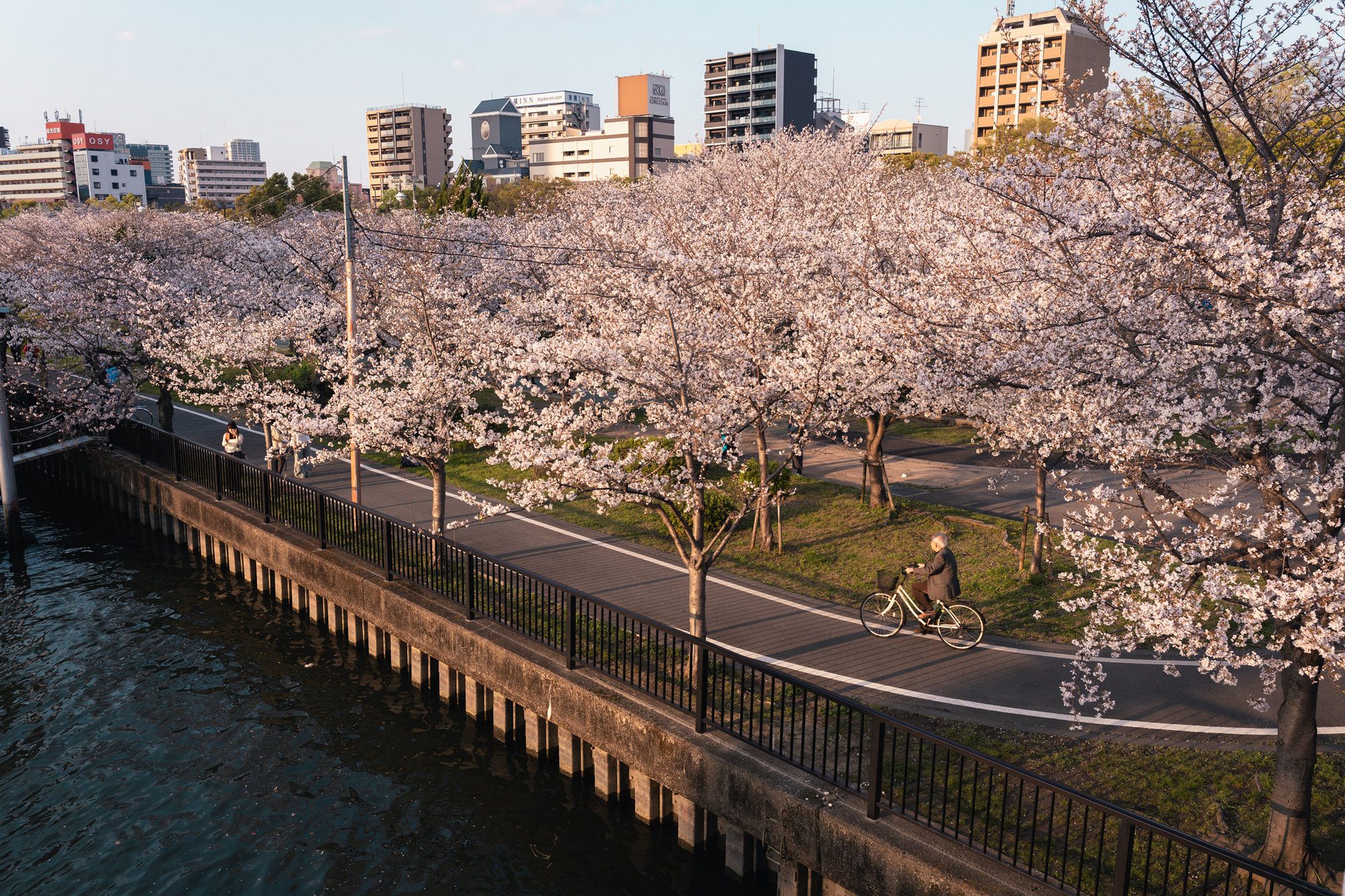
Sakura: late March and early April
For a couple of weeks, the whole country agrees to look up. The cherry trees bloom and the parks fill with blue tarps, with groups of friends, colleagues and families doing hanami (literally, “flower viewing”). People get together to celebrate the arrival of spring, eating, drinking and laughing under the pink trees, letting the hours go by with the slow fall of the petals. It's one of the few moments when you see Japanese people truly relaxed in public, and it's contagious.
- When: in Kyoto, Osaka and Tokyo the blossoms usually open between 25 March and 10 April, but it changes every year. From January the bloom forecasts (kaika yosō) are published, and they keep being updated until the long-awaited date arrives.
- It's short: from opening to falling petals it's about 7–10 days. If your trip is two weeks long, plan it so you catch the peak in at least one city.
- Arriving late? Head north: in Tohoku they bloom in mid to late April, and in Hokkaido in early May.
The downside: it's the most expensive and crowded season of the year. Hotel prices shoot up and they fill up months in advance, and the most famous spots at midday are a river of people. My advice: book your accommodation as soon as you have dates, visit the well-known places first thing in the morning (before 8:00 the light is beautiful and there's hardly anyone) and save the afternoons for neighbourhood parks where you'll be the only foreigners.
Momiji: mid-November to early December
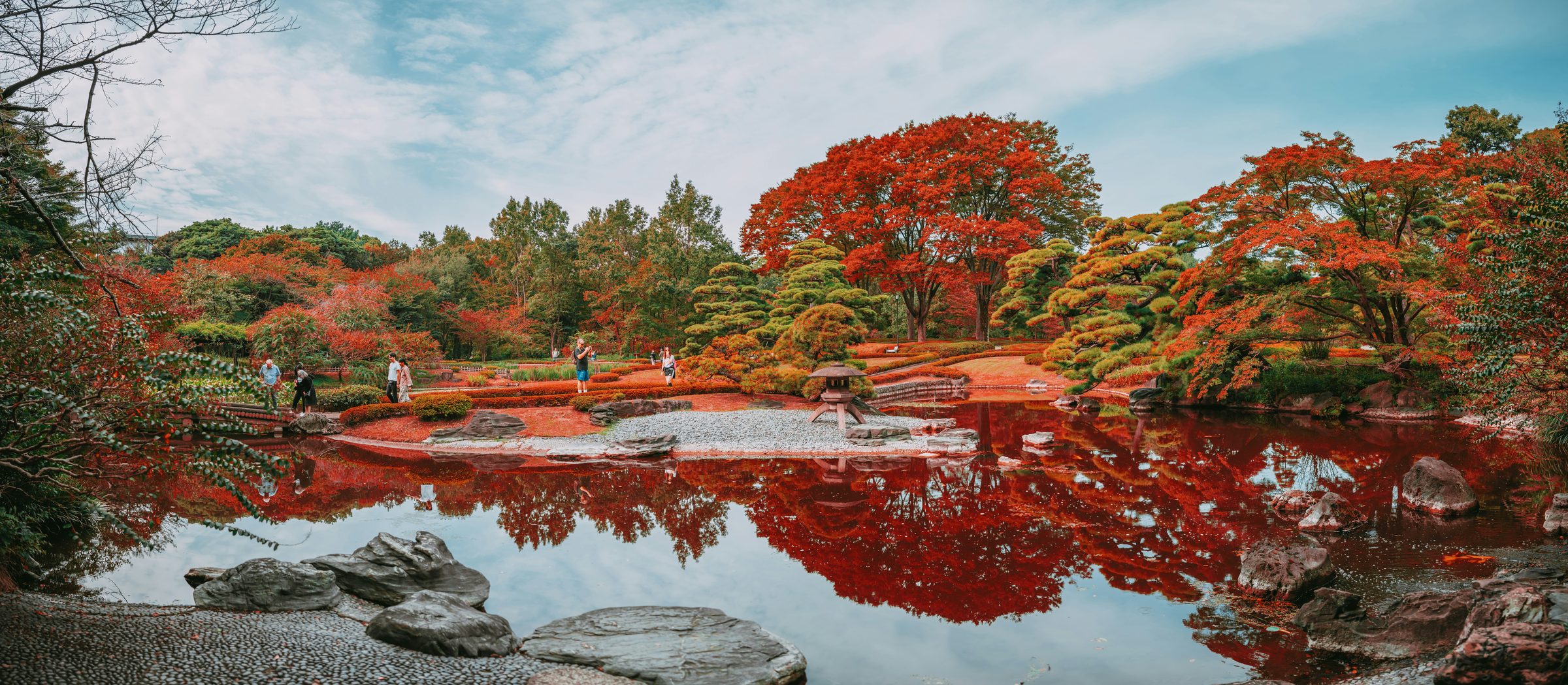
Autumn is the second big date on the calendar, and for many people it's even better than spring. The maples turn red, orange and yellow, the air is fresh and dry, and the season lasts much longer than the cherry blossoms, so it's easier to get it right.
- When: in Kyoto and Nara the peak usually falls between 15 November and 5 December. In Hokkaido and the northern mountains it already starts in October and moves south from there.
- At night: many temples in Kyoto open with the trees lit up. It's one of those things you never forget.
Just like with sakura, the tourist spots get packed. But there are hundreds of temples and gardens where the maples are just as beautiful, or more, and hardly anyone goes in.
The underrated one: May, my favourite
If you ask me, May is the best month to travel to Japan. And almost nobody picks it.
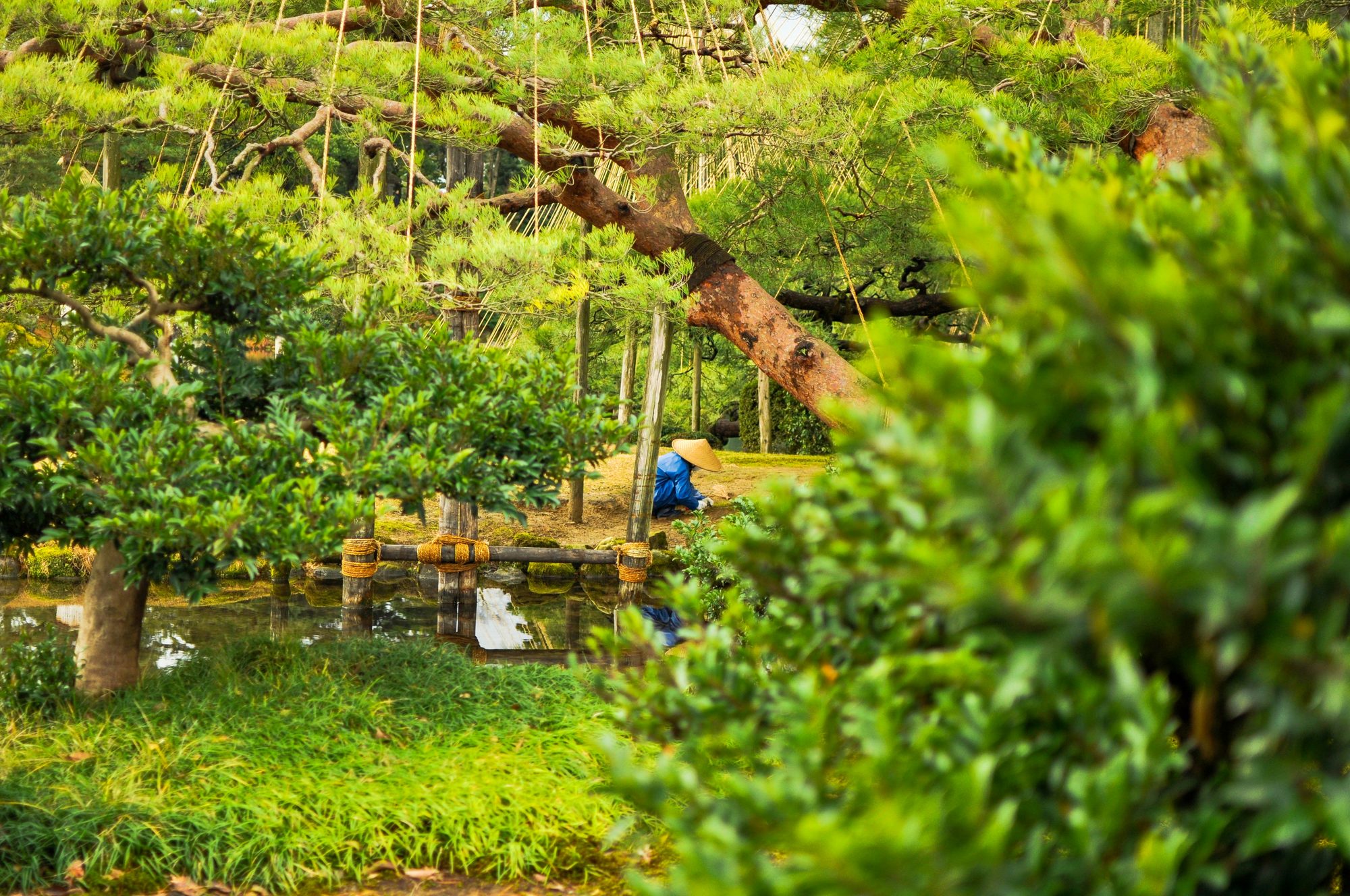
The weather is amazing: between 18 and 25 degrees, long days, blue skies and humidity that's still bearable. Everything is green, that bright green of the new leaves (shinryoku) that in Kyoto, among moss and bamboo, is just wonderful. The rice fields have just been flooded and reflect the sky like mirrors. And above all, there are far fewer people than in spring and autumn, with much more reasonable hotel prices.
There's only one catch: Golden Week. Roughly from 29 April to 5 May several public holidays come together and half of Japan goes travelling: packed trains, hotels at full capacity and tourist spots overflowing. Arrive from 7 or 8 May onwards and you'll have the month to yourself. As a bonus, on 15 May Kyoto celebrates the Aoi Matsuri, a procession in court costumes from over a thousand years ago.
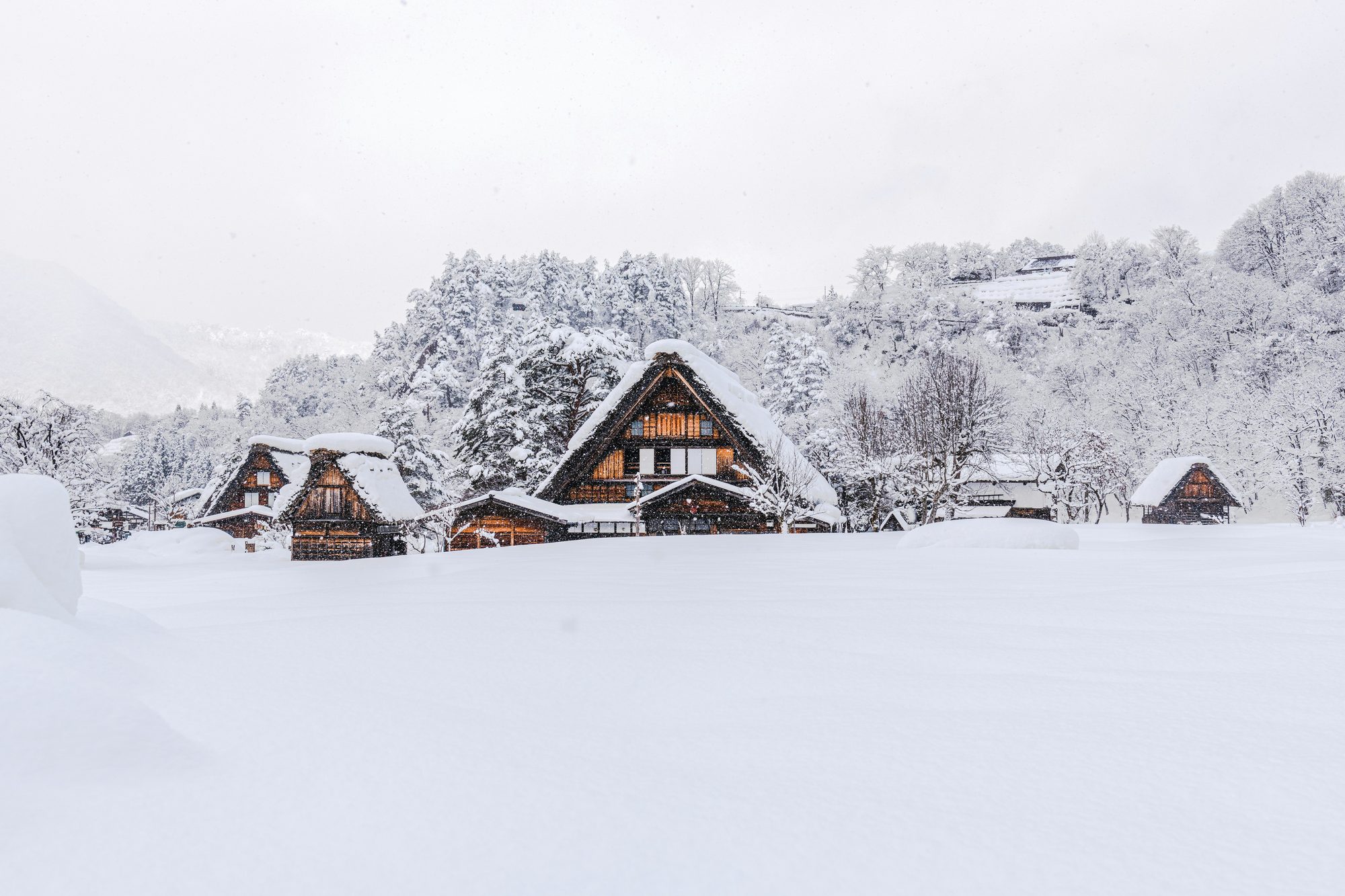
Winter: a snow paradise
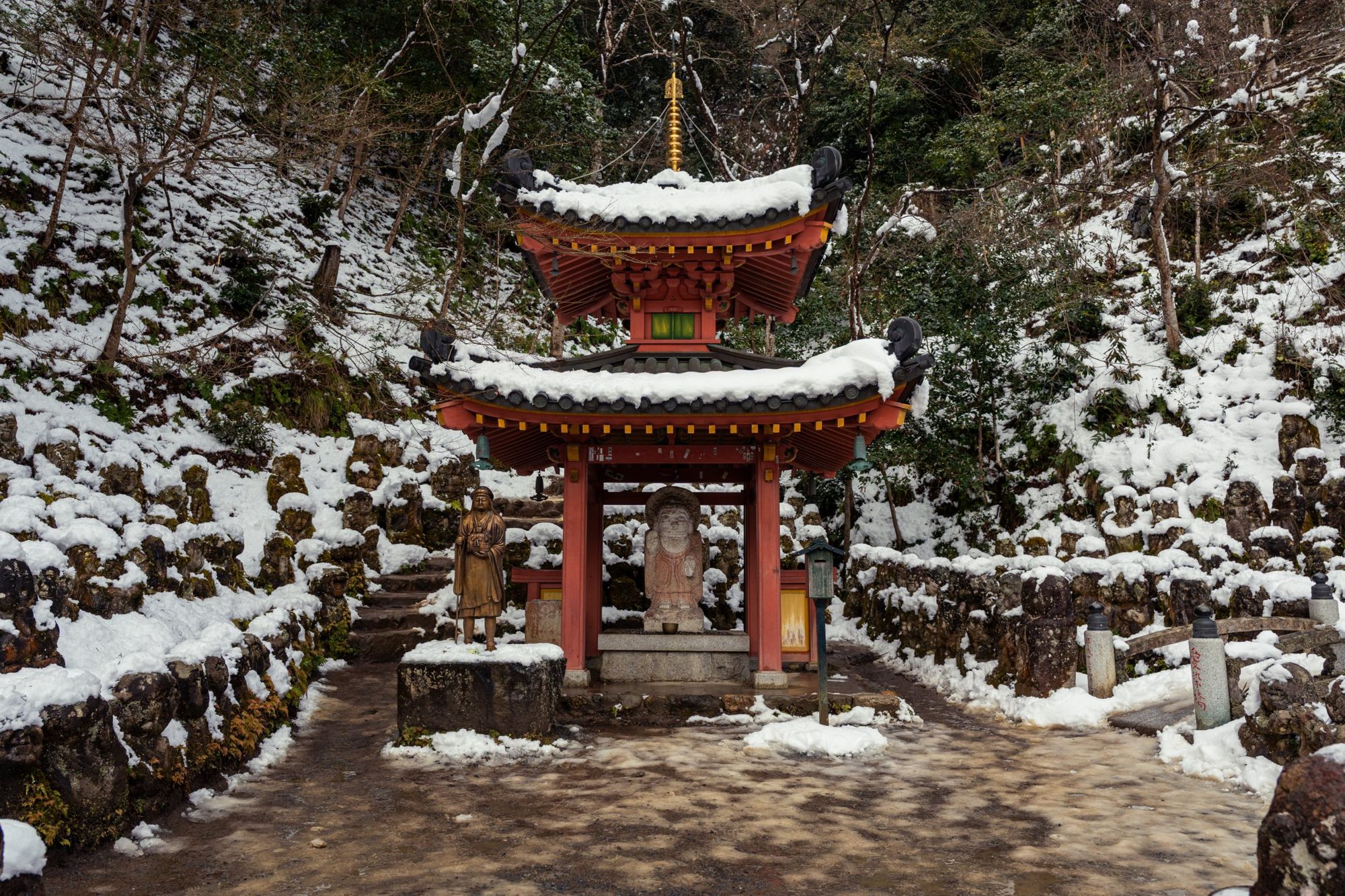
Japanese winter has a bad reputation among many travellers, and I don't get it. If snow is what you're after, Japan will give it to you, and the good stuff.
- Skiing and snowboarding: the famous japow, the powder snow of Hokkaido (Niseko, Furano) and Nagano (Hakuba, Nozawa Onsen), is among the best in the world. The season runs from December to March, at its best in January and February.
- Fairy-tale villages: Shirakawa-go, with its thatched-roof houses covered in snow, or Ginzan Onsen, with its wooden ryokan and lanterns, look like they came out of an animated film.
- Onsen in the snow: sitting in an outdoor hot spring bath while it snows is probably the most Japanese experience there is.
- Festivals: the Sapporo Snow Festival, in early February, with giant ice sculptures. And in Nagano, the Jigokudani monkeys bathing in their hot springs.
And if snow isn't your thing? In Kyoto, Osaka or Tokyo winter is cold (between 0 and 10 degrees), but dry and almost always sunny. There are few tourists, the skies are clear (it's the best time to see Mt Fuji) and winter dishes like nabe or oden go down a treat.
Summer: scorching heat, but matsuri
I won't lie to you: summer in Japan is tough. In July and August, Osaka, Kyoto and Tokyo go above 35 degrees with very high humidity. You step outside at nine in the morning and you're already soaked. Kyoto, in a valley surrounded by mountains, is literally an oven.
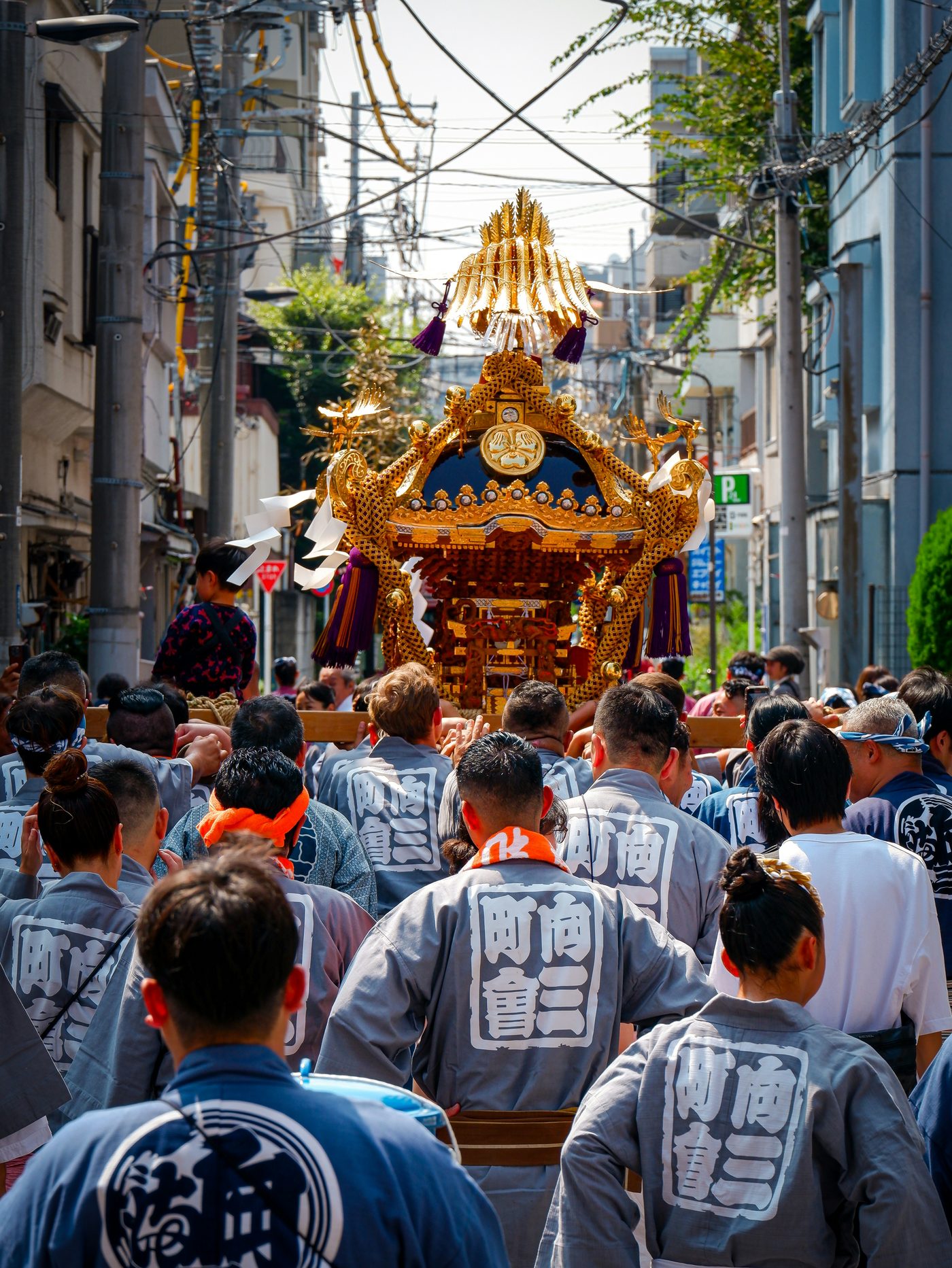
But summer has something no other season has: the matsuri. Every neighbourhood, town and city celebrates its festival: lanterns, food stalls, people in yukata, taiko drums and fireworks (hanabi) almost every weekend. If you like documentary photography, like I do, it's the best time of the year to go out with your camera.
- Gion Matsuri (Kyoto): it lasts all of July; the big float parades are on the 17th and the 24th.
- Tenjin Matsuri (Osaka): 24 and 25 July. It's the big festival of my city and one of the three most important in Japan: on the second day there's a boat procession on the river and fireworks.
- Nebuta Matsuri (Aomori): 2 to 7 August, with huge illuminated paper floats.
- Awa Odori (Tokushima): 12 to 15 August, thousands of people dancing through the streets.
If you come in summer: get up early, do your outdoor sightseeing before 11, take shelter in museums, cafés and shopping centres in the middle of the day, and head out again when the sun goes down, which is when the cities come alive. Drink lots (there are vending machines on every corner) and carry a small towel around your neck, like the Japanese do. Keep in mind that mid-August is Obon and Japanese people travel en masse. And if you want to escape the heat, Hokkaido in summer is cool and full of flower fields.
The ones to avoid at all costs: June and September
Here I'll be blunt: if you can choose, don't come in June or September.
June is tsuyu, the rainy season. It starts in early June and in Kansai and Tokyo it usually lasts until mid-July. It doesn't rain every day all day, but the sky is almost always grey, the humidity is stifling and any outdoor plan becomes a lottery.
September is typhoon season. On top of heavy rain, it's still summer-hot, and a typhoon can cancel trains and flights and leave you stuck in your hotel for a whole day.
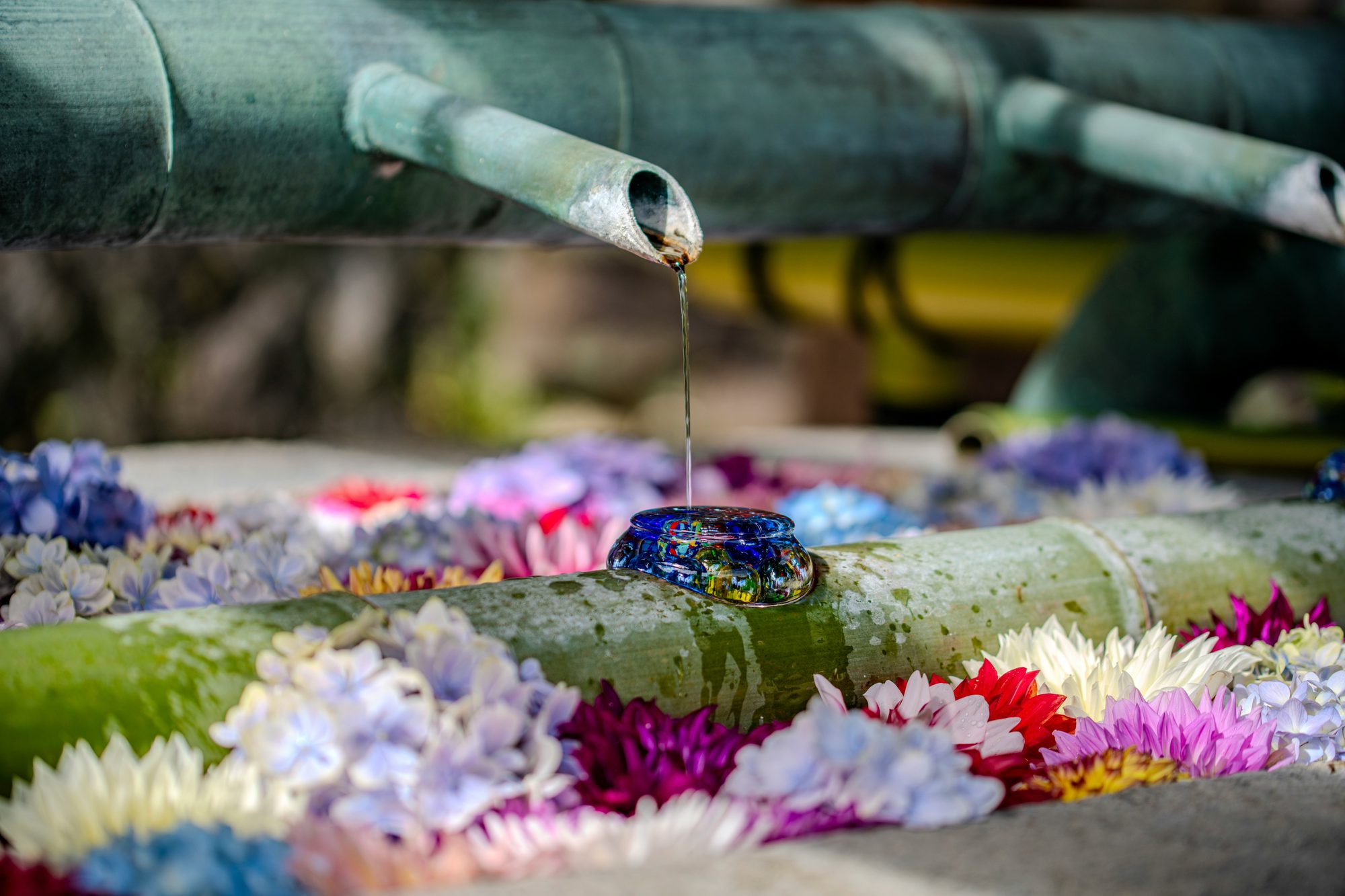
Do you have to come on these dates no matter what? Don't panic. June has its charm: the hydrangeas (ajisai) bloom in temples and gardens, and with the rain the moss in Kyoto shines more than ever. Carry a clear umbrella from the konbini, always have an indoor plan B, and follow the typhoon alerts (the official Safety Tips app sends warnings in several languages). On my tours and consultations I always prepare alternatives for rainy days.
Quick summary, month by month
- Late March and April: sakura. Beautiful, expensive and crowded. Book well in advance.
- May (after Golden Week): my favourite. Good weather, everything green and far fewer people.
- June: rain. Avoid it if you can.
- July and August: extreme heat, but matsuri and fireworks.
- September: typhoons and heat. Avoid it if you can.
- October and early November: pleasant temperatures and the first autumn colours in the north.
- Mid-November to early December: momiji in Kyoto and Nara.
- December to February: snow in the north; clear skies and few tourists in the cities.
There's no perfect month to travel to Japan. There's a perfect month for the trip you want to take.
If you're unsure about your dates, or you'd like us to design a trip together that makes the most of whatever season you get, in a consultation we can go through it calmly. And if you're passing through Kansai, I'd love to show you my Japan.